


Summer Skin Problems: What to Watch For and How to Stay Protected
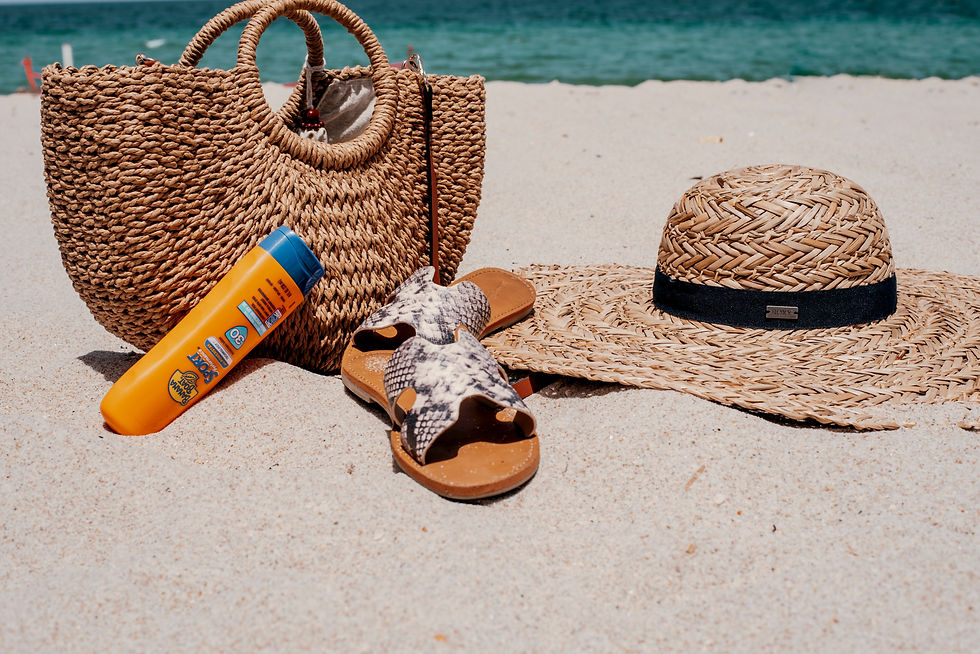
Summer is finally here, and with the longer days and UV rays comes the perfect opportunity to show your skin a little extra love. Whether you’re soaking up the sun at the beach, enjoying backyard barbecues, or simply savoring those golden evening hours, the warm season is your invitation to refresh your skincare routine and embrace habits that keep you looking and feeling radiant all summer long. From choosing the right SPF to staying hydrated from the inside out, we’re breaking down everything you need to know to make the best summer yet for your skin.
Taking Extra Care
As enjoyable as summer can be, warmer weather can be tough on your skin. Rising temperatures, increased humidity, and prolonged sun exposure create the perfect conditions for common issues like sunburn and heat rash to flare up. Knowing what to look for—and how to respond—makes all the difference. We've got a few tips and tricks to help you identify and treat the most common summertime skin conditions, so you can feel confident and comfortable in your skin all season long.
Known Culprits
Sunburn
Most of us have been there. You spend a gorgeous day outside and don’t realize you’ve overdone it until you’re reaching for the aloe later that night. Sunburn happens when your skin is overexposed to UV radiation, whether from the sun or a tanning bed. The tricky part? Symptoms usually don’t peak for 24 to 36 hours, meaning damage is often happening deep beneath the surface long before you see any redness.
Symptoms will vary, but be sure to look for redness, skin swelling, pain, blisters, fever, chills, weakness, confusion, or faintness, and dry, itchy, and peeling skin days after the burn.
How to Treat: Most sunburns heal on their own within a week or two, but you don’t have to just “tough it out.” Here are a few ways to ease the discomfort and help your skin bounce back.
If you or your senior loved one have concerns about a severe burn, it’s always a good idea to check in with a healthcare provider. You can:
Cool things down. Start with a lukewarm bath or apply a cool, damp compress to the area. It’s an instant way to take the edge off that “radiating heat” feeling.
Manage the discomfort. Over-the-counter relievers like ibuprofen or acetaminophen can help reduce swelling and pain.
Replenish and hydrate. Your skin is thirsty. Use aloe vera gel or a moisturizing lotion to lock in hydration. For extra itchy or swollen spots, a 1% hydrocortisone cream can work wonders.
Give it space. The best thing you can do is stay in the shade. Further sun exposure will only reset the clock on your recovery and intensify the damage.
Heat Rash (aka Prickly Heat)
Heat rash—often called “prickly heat”—occurs when your sweat glands become blocked, trapping perspiration beneath the skin. The result? A red rash with small, itchy bumps. That “prickling” or stinging sensation people describe usually happens as those bumps release the trapped sweat.
How to Treat: The best defense is to keep things cool and minimize excessive sweating. Consider the following:
Dressing for the season. Swap tight fabrics for lightweight, loose-fitting cotton. It lets your skin breathe and prevents moisture from getting trapped against your body.
Timing your workouts. If you’re heading outside, aim for the early morning or evening when temperatures dip. On extra sweltering days, moving your workout into the AC is a total game-changer.
Keep your cool. Don’t underestimate the power of a good fan, a cool shower, or a chilled room. Regulating your body temperature is the most effective way to keep heat rash at bay.
Insect Bites
Nothing puts a damper on a summer evening quite like uninvited bugs. From mosquitoes crashing your backyard gathering to biting flies making a beach walk less enjoyable, insects are an unavoidable part of the season. Beyond the nuisance factor, some insects pose real health concerns worth keeping in mind. Ticks, for example, can be surprisingly tiny—some no bigger than a poppy seed—and can carry Lyme disease. If you’ve been spending time in wooded or grassy areas, make it a habit to do a thorough tick check on yourself before heading inside. Stinging insects like bees, wasps, hornets, and yellow jackets are another summer staple to watch out for, especially for anyone with known sting allergies. Keep antihistamines or prescribed medications on hand so you’re prepared if a sting happens.
How to Treat: The good news is that a few simple precautions can go a long way. Consider:
Using an insect repellent. Apply it to exposed skin before heading outdoors to keep mosquitoes, flies, and other biters at a distance.
Creating some airflow. Bugs hate moving air. Setting up a fan during outdoor evening hangouts can be surprisingly effective at keeping them away.
Treat bites promptly. Resist the urge to scratch! It can break the skin, lead to infection, and leave behind scars. Reach for an anti-itch cream or spray instead to keep things calm and comfortable.
Problem Plants
Time outdoors means more time around plants, and it’s worth knowing which ones to watch out for. Poison ivy, poison oak, and poison sumac all produce a natural oil called urushiol, which is responsible for the uncomfortable, blistering rash many people experience after coming into contact with these plants. What makes urushiol so tricky is that you don’t even have to touch the plant to have a reaction. The oil is incredibly resilient and can hitch a ride on gardening tools, clothing, or even your pet’s fur, making indirect exposure surprisingly common. The rash itself isn’t contagious. Because the oil absorbs into the skin quickly, you can’t pass the rash to someone else through contact once the oil has been washed away.
Pro Tip: Never burn these plants. Burning releases the oil into the air, which can cause serious irritation to your skin and—more importantly—your lungs.
How to Treat: If you think you’ve brushed up against a suspicious plant, speed is your best friend. Here’s how to handle it:
Rinse right away. Wash the area with warm, soapy water as soon as possible. This helps remove the oil before it fully settles in and prevents it from spreading to other parts of your body.
Launder everything. Toss your clothes straight into the wash and thoroughly clean any gear, tools, or even your pets. Urushiol is persistent and can stay active on surfaces for a long time, leading to a second reaction later.
Hands off. It’s tempting, but don’t scratch. Picking at the rash can lead to an infection. If blisters form, leave them alone. That skin is a natural protective barrier that helps you heal.
Watch for changes. Keep the area clean and dry. If you notice increasing redness, warmth, or swelling, it’s a good idea to check in with your healthcare provider to make sure everything is on the right track.
Soothing topicals. To calm the irritation, reach for calamine lotion or a 1% hydrocortisone cream. These are classic go-tos for reducing that insistent “need-to-scratch” feeling.
Managing weeping blisters. If your blisters start to drain or weep, topical astringents containing aluminum acetate can be a lifesaver. They help dry out the area and promote healing.
Targeting the itch from within: Oral antihistamines can be very helpful, especially at night if the discomfort is keeping you from getting a good night’s rest.
Dry, Irritated Skin
Surprisingly, summer can leave your skin feeling dry and irritated—sun exposure, chlorine, and air conditioning are often to blame.
How to Treat: A few simple habits can help keep your skin balanced. Try incorporating the following steps:
Rinse off after swimming. Shower with fresh water and a gentle, swimmer-friendly cleanser as soon as you get out of the pool.
Moisturize consistently. Apply a fragrance-free moisturizer within five minutes of showering to lock in hydration, and keep some on hand throughout the day for touch-ups.
Choose gentle products. Opt for mild cleansers over antibacterial or deodorant soaps, and bathe in warm water to avoid stripping your skin’s natural moisture.
Don't skip sunscreen. A broad-spectrum SPF 30 or higher with water resistance protects your skin from UV damage that can contribute to dryness.
Adjust your environment. If air conditioning is leaving the air in your home feeling too dry. Try turning the thermostat up slightly to give your skin a break.
Enjoy Summer Confidently with Presidio Home Care
A Presidio Home Care Aide is a valuable partner in keeping your skin healthy and comfortable all summer long. From hydration reminders and sunscreen application to clothing guidance, our aides support every step of a warm-weather skincare routine. For those taking medications that increase sun or heat sensitivity, having an attentive aide nearby brings an added layer of care and the confidence to enjoy the season fully. Contact us today to learn more.


Comments